
TGLWC Therapeutic After-School Program for youth
Therapeutic After-School Programs provides youth and adolescents with intensive mental health treatment from the comfort of their own home.
At Guiding Light Wellness Center, we offer an in-person therapeutic after-school program designed to support elementary and middle school–aged youth who are experiencing emotional, behavioral, or mental health challenges. We understand how difficult it can be for families to see a child struggle, and our compassionate, child-centered approach focuses on helping each child feel safe, understood, and supported as they grow and heal.
Our in-person therapeutic after-school program provides structured, age-appropriate support in a safe and nurturing environment. Children participate on-site after school while maintaining their regular academic routines, allowing them to build coping skills, emotional awareness, and resilience through hands-on, interactive activities. Programming is tailored to each child’s developmental needs and promotes positive social skills, emotional regulation, and confidence.
We are committed to creating a welcoming, inclusive, and affirming space for children of all backgrounds. By offering in-person, evidence-based care, we provide meaningful support that strengthens emotional well-being, encourages healthy peer connections, and helps reduce the need for more intensive levels of care while partnering closely with families every step of the way.



What is a therapeutic afterschool program?
A therapeutic after-school program is a structured extension of the traditional after-school setting that provides mental health support in a safe, engaging environment. Children participate in therapist-led sessions on-site for several hours each week after school.
The program combines age-appropriate individual support, small group therapeutic activities, family involvement, skills-building, and ongoing clinical oversight. This integrated approach helps children strengthen emotional regulation, coping skills, social skills, and self-confidence while maintaining consistency with their school routines and home life.
How Does a Therapeutic After-School Program for Youth Work?
Here’s how our therapeutic after-school program supports youth and adolescents as well as their families:
Personalized Treatment Plans
During the first few days, youth meets with their primary therapist (and family members, if appropriate) to create individualized treatment plan goals and objectives.
Group Therapy Sessions
Youth spend at 3 hours per day, five days per week in interactive group therapy sessions designed to build coping skills, emotional awareness, and social connection.
Individual & Family Sessions
Each youth has weekly individual sessions and family therapy sessions once a month with our therapists to address individualized concerns and progress.
Experiential Activities
Youth will receive materials for experiential activities throughout the program to reinforce learning and personal growth.
Peer Relationships
Join consistent, age-appropriate groups where they can develop strong peer support and build lasting relationships.
Small Group Sizes
Groups are limited to no more than 15 youth with a behavioral support specialist assigned to each group to ensure safety, engagement, and meaningful interaction.
Multi-Disciplinary Support
Each participant will also work with a team of clinicians and specialists tailored to their needs to help achieve program objectives.
Medication Support
Psychiatry services and medication management, if needed, are integrated into the program and scheduled to accommodate your teen or young adult.
Discharge Planning
At the conclusion of the program, we provide thorough discharge planning and guidance for next steps to support ongoing growth and success.
Age Range
Our services are available to school-aged youth (ages 5–13).
Average Length of Treatment
Program length is individualized and based on needs and progress, typically lasting 6–12 weeks.

Genders Served
Our services are inclusive of all genders, including female, male, and LGBTQ+ individuals.

Therapy Time Commitment
All group, individual, and family sessions are available after-school. However, family sessions may occur earlier depending on availability.

Conditions Treated
We support individuals facing mental health concerns and co-occurring barriers in a compassionate, client-centered environment.

Weekly Commitment
The program includes three hours of programming each day, weekly individual therapy sessions, and monthly family sessions

When is a therapeutic after-school program helpful?
A therapeutic after-school program can be helpful when emotional, behavioral, or mental health challenges haven’t improved with traditional therapy. Youth may benefit for reasons such as:
Daily challenges
Difficulty keeping up with school, home tasks, or personal care may indicate a need for structured support.
Outpatient therapy isn’t enough
When traditional therapy hasn’t been effective, a virtual therapeutic after-school program provides more intensive care in a safe online setting.
Difficulty coping with life changes or stressors
Major transitions, bullying, or academic pressure can overwhelm teens; a Virtual IOP teaches resilience and healthy stress management.
Emotional instability
Frequent mood changes or difficulty regulating emotions that interfere with daily functioning.
Withdrawal or loss of interest
Youth who isolate themselves or stop enjoying activities may benefit from intensive group therapy that promotes connection and personal growth.
After higher levels of care
Individual therapy can provide continued support following hospitalization, residential treatment, or more intensive services.
Accessible mental health treatment: what to expect at TGLWC’s Therapeutic Afterschool Program
Treatment that works around school and home life
Our Therapeutic Afterschool Program fits into your child’s life, providing the intensive support they need while allowing them to stay connected to home, school, and family.
Intensive mental health support
The program offers focused, healing care for preteens, teens, and young adults facing significant mental health challenges such as severe anxiety, depression, trauma, or OCD.
Personalized mental health care that works for your child
Data-backed outcomes show that participants in our Virtual Therapeutic Afterschool Program often experience reduced anxiety, depression, and distress, along with improved overall well-being.
Benefits of Therapeutic After-School Program at The Guiding Light Wellness Center
Therapeutic After-School Program offers mental health support tailored to the unique needs of youth and adolescents. Some key benefits include:
Flexible care
Provides youth and adolescents the flexibility to continue their daily routines including school, sports, and more while receiving vital mental health care.
Inclusive Psychiatry Services
TGLWC’s Therapeutic Afterschool Program includes comprehensive psychiatric services and medication management. We begin with a thorough psychiatric evaluation to create a personalized treatment plan for your child. Follow-up visits occur as often as bi-weekly, and at minimum once a month, allowing us to continually adjust and optimize care. This approach ensures consistent, high-quality support, addressing all aspects of your child’s path to wellness.
Evidence-based treatment
Benefit from proven therapies such as CBT and DBT to address anxiety, depression, stress, and emotional regulation.

Supportive Environment
Our program fosters a nurturing and supportive environment for youth to connect with peers and build essential coping skills.
Enhanced daily functioning
Develop problem-solving strategies, emotional awareness, and healthy coping mechanisms for long-term well-being.
Measurable Results
Our therapists track progress with measurable outcomes, demonstrating how much youth have grown and improved through our Therapeutic Afterschool Program.
What does an evening of therapeutic after-school look like?
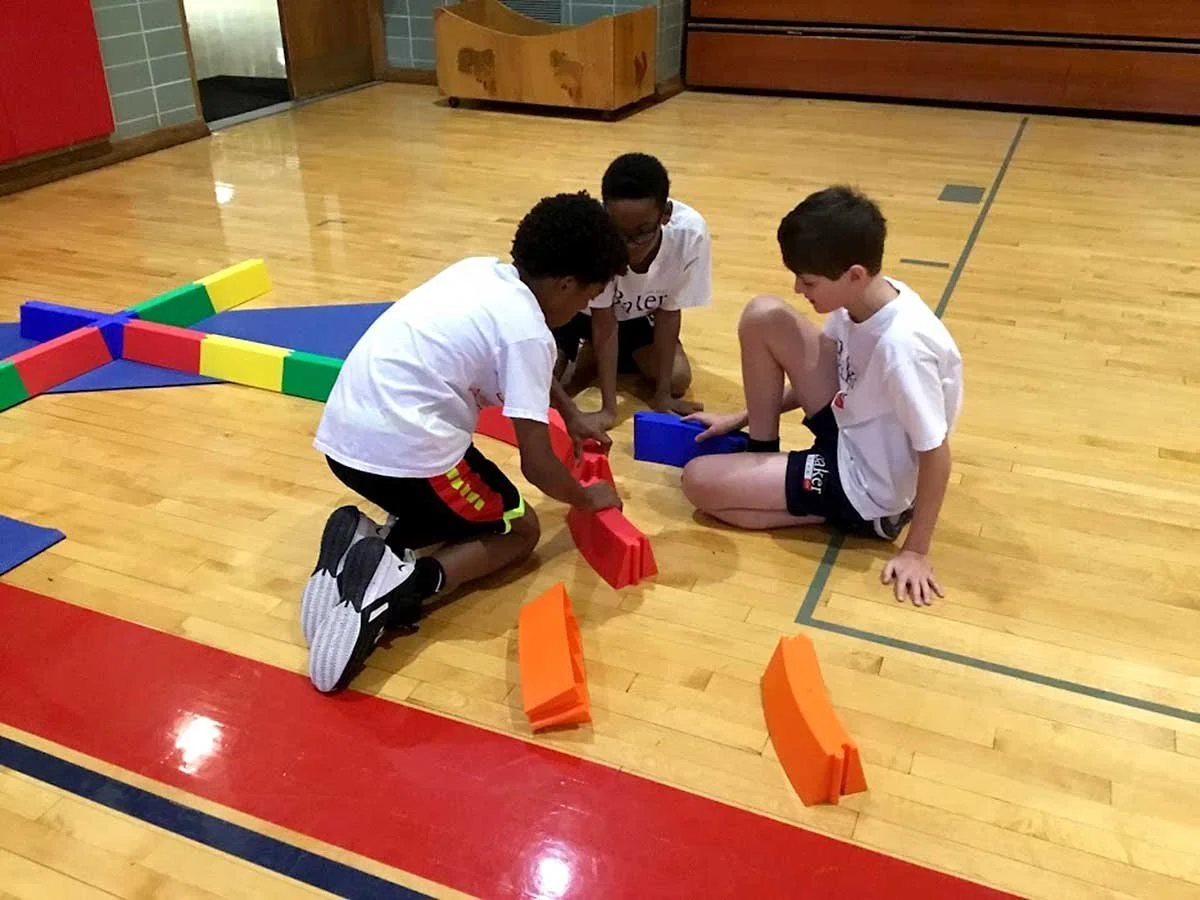
Therapeutic after-school program includes a variety of therapies, activities, and skill-building activities designed to help give youth the tools they need to overcome mental health conditions. On a typical day at TGLWC could look like this:



How effective are therapeutic after-school programs?
In-person therapeutic after-school programs have been shown to be highly effective in supporting youth who experience mental health challenges. Research indicates that structured, therapist-led programs can help participants manage symptoms related to depression, emotional distress, and high-risk behaviors.
Studies examining intensive, structured therapeutic programs for youth have found positive outcomes, including meaningful reductions in depressive symptoms, improved emotional regulation, and decreased engagement in self-harming behaviors. Many participants who entered treatment experiencing significant emotional distress demonstrated improvement by the end of the program.
These findings highlight the value of in-person therapeutic after-school programs in providing consistent, accessible support for youth. Through face-to-face interaction, skill-building activities, peer support, and clinical oversight, participants are able to strengthen coping skills, build resilience, and improve overall emotional well-being in a structured, safe, and supportive environment.

Payment Options for Virtual Therapy
➤ In-Network Insurance
Our individual therapy program accepts Maryland Medicaid and CareFirst insurance plans. Using in-network coverage allows for seamless access to therapy services, helping you focus on your mental health without worrying about unexpected costs.
➤ Self-Pay Options
We also offer flexible self-pay options to meet your needs, including cash, credit/debit cards, check, and direct deposit. This provides convenience and flexibility when investing in your mental health care.
Therapeutic After-School Program FAQs
-
Research and clinical experience show that virtual therapeutic after-school programs can be just as effective as in-person services when they are structured, interactive, and led by qualified professionals. Virtual programming allows youth to receive consistent mental health support while remaining engaged in school, family life, and daily routines.
Studies comparing virtual and in-person intensive programs have found comparable outcomes, particularly when virtual services include group therapy, individual support, family involvement, and skill-building interventions. The added flexibility of virtual care often improves attendance and engagement for youth and families.
-
A virtual therapeutic after-school program can be especially effective for:
Youth who benefit from structured mental health support in the comfort of their home
Youth transitioning from a higher level of care or needing more support than weekly outpatient therapy
Families interested in participating in virtual family therapy
Youth who feel more comfortable discussing challenges such as anxiety, depression, or OCD in an online setting
Youth who need flexible scheduling that works alongside school or extracurricular activities
-
Virtual experiential therapy uses activity-based approaches to help youth increase awareness of their emotions, thoughts, behaviors, and needs. Even in a virtual setting, participants engage in hands-on and interactive activities such as:
Art-based expression
Yoga and mindfulness practices
Music and creative therapies
These activities support emotional regulation, self-expression, and stress reduction.
-
The length of participation varies depending on each youth’s individual needs, goals, and progress. The program is designed to be flexible and supportive, allowing participants to balance treatment with school, family responsibilities, and other commitments.
-
Virtual therapeutic after-school programs offer the same structured, high-quality care as in-person services, with added convenience and accessibility. Youth can receive support without the stress of travel, while families can remain closely involved in treatment.
The virtual environment often helps participants feel more relaxed and open, encouraging meaningful engagement. Families benefit from consistent support while maintaining daily routines.
-
Virtual programs are an excellent option for youth who need therapeutic support while staying at home and maintaining daily structure. However, for youth requiring 24-hour supervision or crisis-level care, inpatient or residential services may be more appropriate.
-
Item This program is well-suited for teens and young adults who need more structure and support than traditional outpatient therapy but do not require inpatient or residential care. It is especially helpful for youth managing anxiety, depression, OCD, emotional regulation challenges, or school-related stress.
The program is designed for youth who are ready to engage in therapy while remaining connected to family, school, and everyday life.
-
In virtual group sessions, youth connect with peers facing similar challenges under the guidance of a licensed therapist. Groups focus on building essential life skills such as:
Mindfulness
Emotional regulation
Executive functioning
Distress tolerance
Healthy communication
These skills help youth manage emotions, improve behavior, and build resilience for long-term success.
-
When included, virtual psychiatric services allow licensed providers to evaluate medication needs, prescribe when appropriate, and monitor progress. Ongoing support can continue as youth transition out of the program.
-
Virtual family therapy helps caregivers and youth improve communication, address conflict, and strengthen relationships. Families receive tools, education, and support to promote healing and long-term stability at home.